

A dynamic community dedicated to exploring the wonders of space, the cosmos, and aviation. Unveil the mysteries of the universe, ONE STAR AT A TIME!
EVENTS
Explore the stellar experiences hosted by us, featuring live celestial viewings, engaging workshops,cosmic discussions and also stay updated about the upcoming ones!
Click on any of the event to know more about the stellar experiences by ANTERiX !

-
ANTERSTELLAR
Insightful guest speaker session followed by live solar and lunar sighting.
-
ASTEROID EXTRAVAGANZA
A two-session extravaganza: explore astronomy with Python in our workshop, then enjoy a breathtaking cosmic documentary screening.
-

ASTREA
Gaze upon the beauty of the night sky at our stargazing event!
-
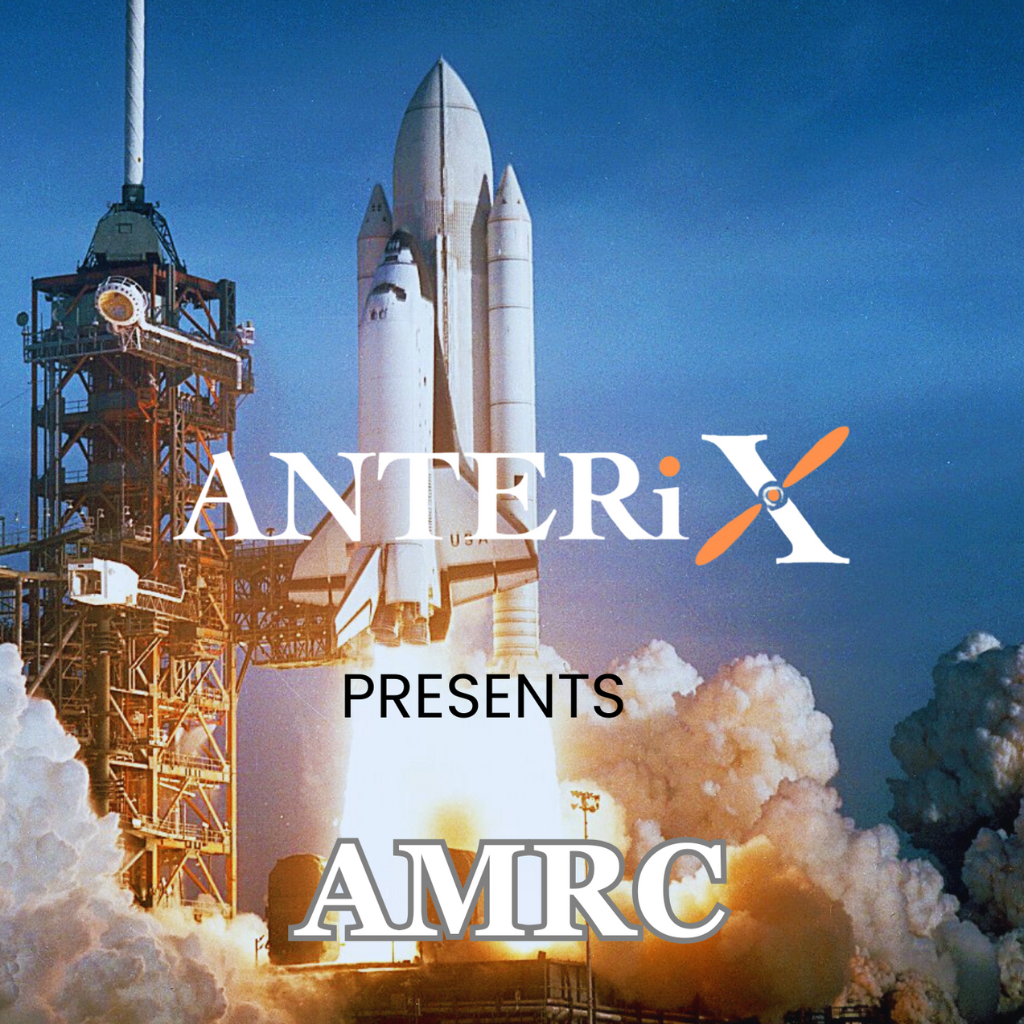
AMRC'22 - ANTERiX Model Rocketry Competition
Club ANTERiX invites physics and rocketry enthusiasts to design, build, and launch rockets in a dynamic challenge, applying the principles of motion and aerodynamics.
-
BASIX
A mega event for World Space Week! A platform for innovators to showcase solutions through presentations and problem-solving.
-
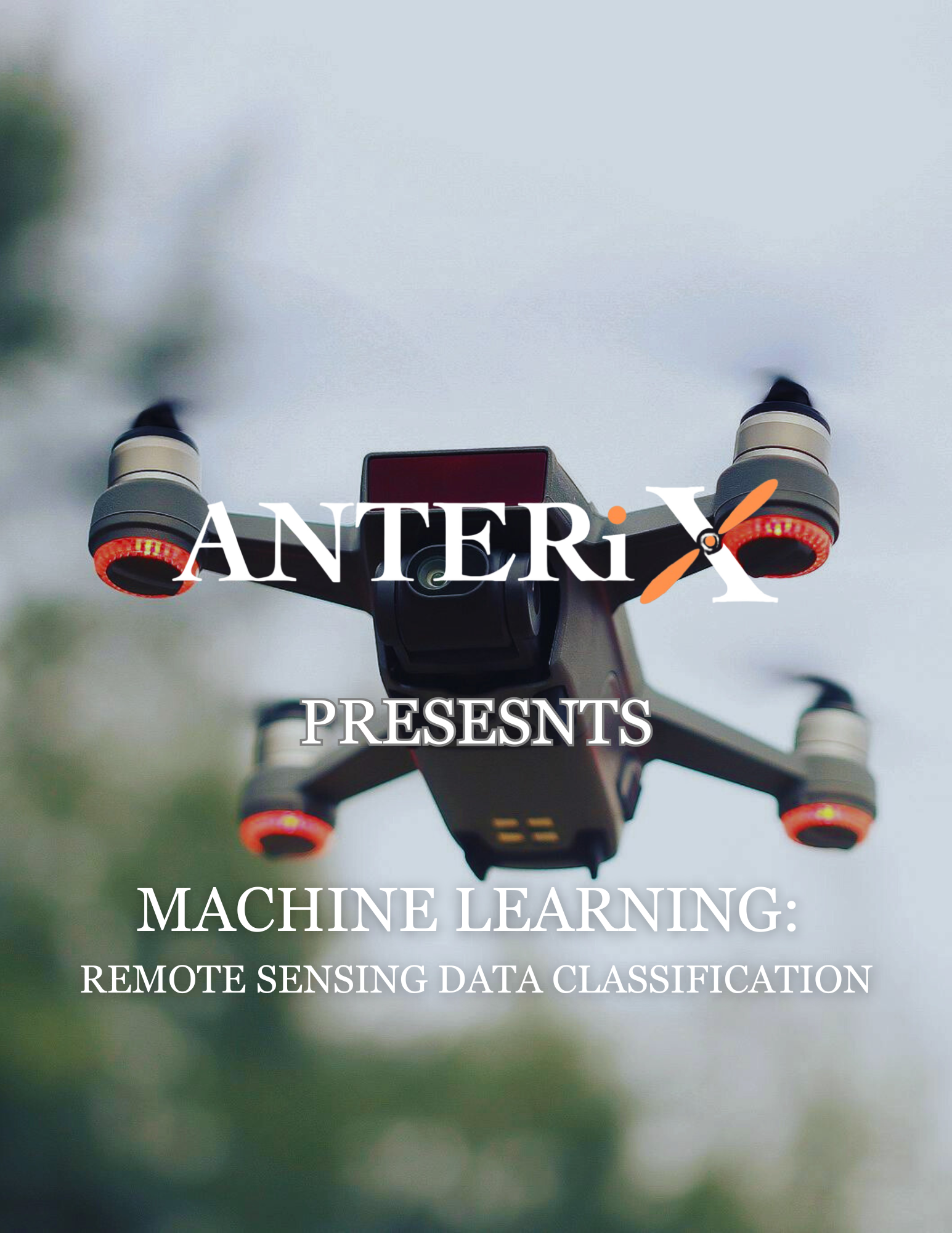
MACHINE LEARNING
Hands on to Remote sensing and Data classification.
Upcoming by ANTERiX
STAY TUNED FOR UPDATES!
Stay tuned for our exciting upcoming events! All details, including schedules and registration links, will be available here as the events approach.
REGISTER
SPACE INSIGHTS

Commercial
Space Industries sets ambitious goals for satellite assembly, integration and testing
Read Article

Space Exploration
The health challenges astronauts Butch Wilmore and Suni Williams face after 9 months in space.
Read Article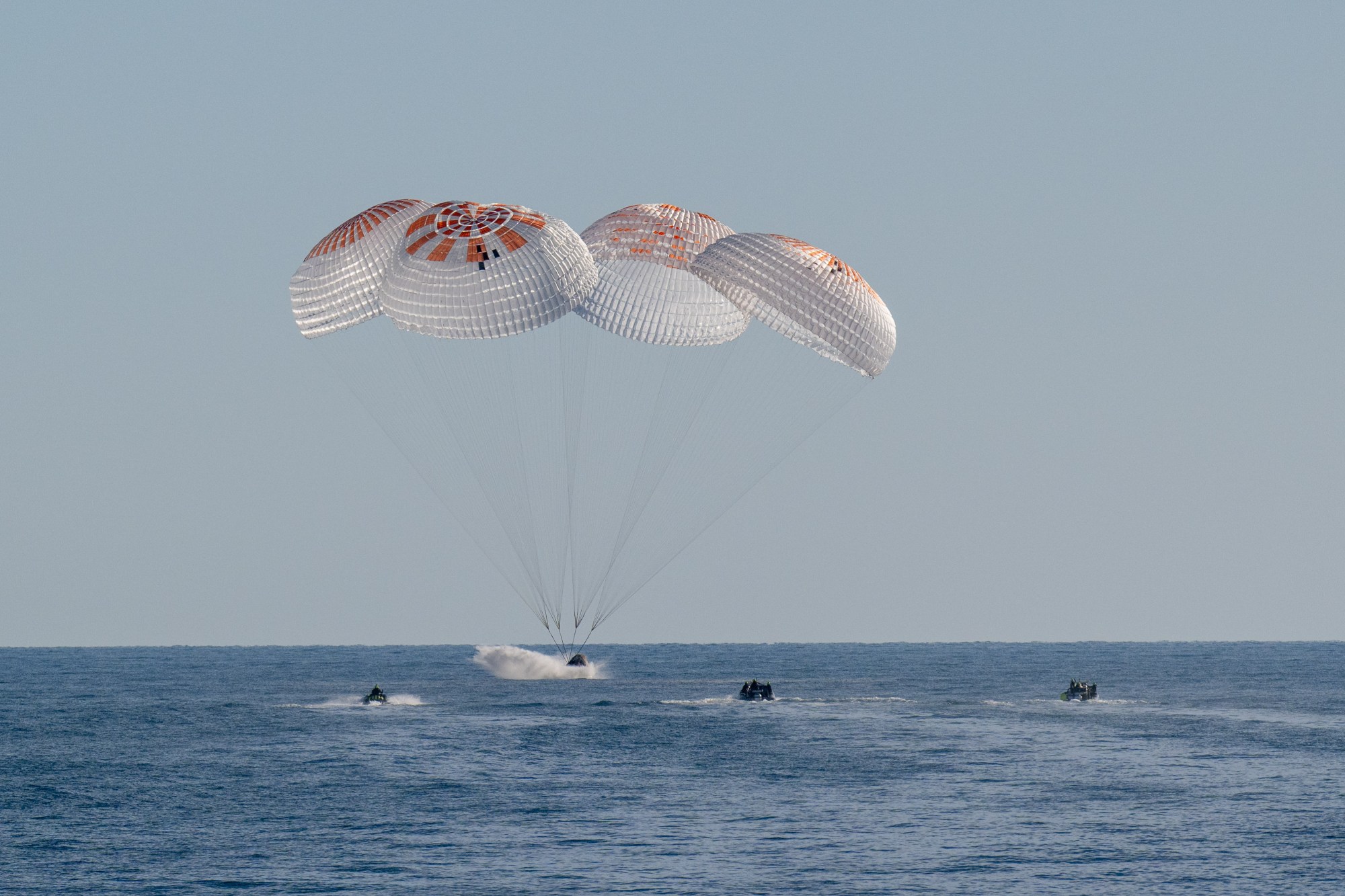
Stars
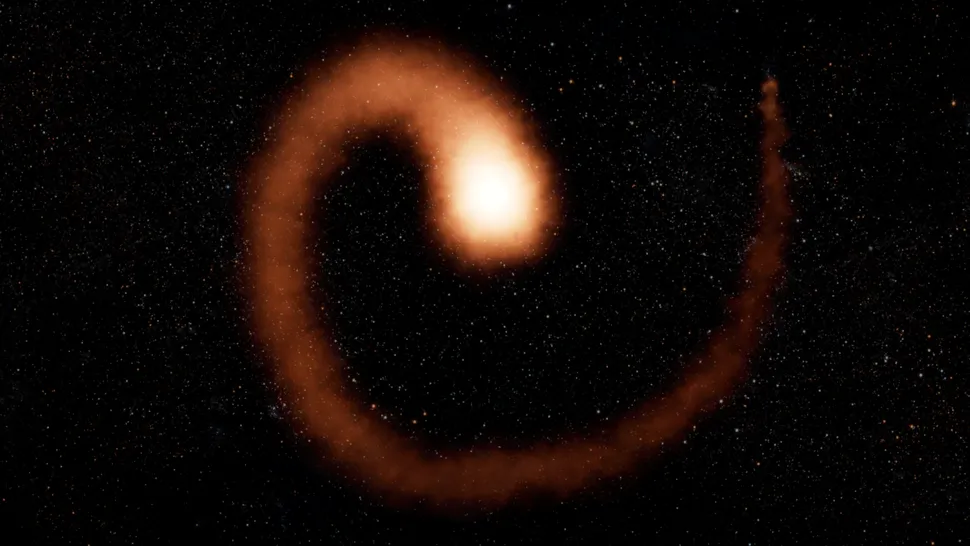
New research on 'Death Star' that looks like a cosmic pinwheel reduces gamma-ray burst threat to Earth
Read ArticleMEET THE TEAM
What began as an aviation-focused club now encompasses the boundless wonders of the cosmos under its ever-expanding umbrella. Meet the pioneers who laid the foundation and the successors who carry the torch forward, pushing the boundaries of exploration and soaring high.
-
The Pioneers
Meet the pioneers who established ANTERiX as an aviation club, igniting a passion for flight and laying the groundwork for limitless exploration.
-
Team 2021
Introducing the brilliant minds of the 2020 & 2021 batch—a team of passionate innovators who played a crucial role in shaping ANTERiX. Their dedication, vision, and contributions propelled the club to new heights, leaving behind a legacy that continues to inspire the future teams of ANTERiX.
-
Team 2023
Leading ANTERiX into the future, the 2023 batch is a team of driven and visionary individuals dedicated to expanding the club’s reach and impact. With passion at their core, they continue to organize groundbreaking events carrying forward the legacy of their predecessors.
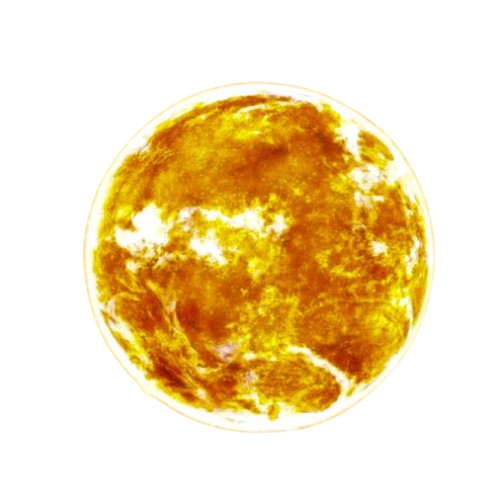
Mass
1,988,400 x 10 24kg
Volume
1,412,000 x 10 12 km 3
Volumetric mean radius
695,700 km
Mean density
1408 kg/m 3
Surface gravity
274.0 m/s 2
Escape velocity
617.6 km/s
Luminosity (1024 J/s)
382.8
Mean energy production (10-3J/kg s)
0.1925
Surface emission (106J/m2s))
62.94
Escape velocity
617.6 km/s
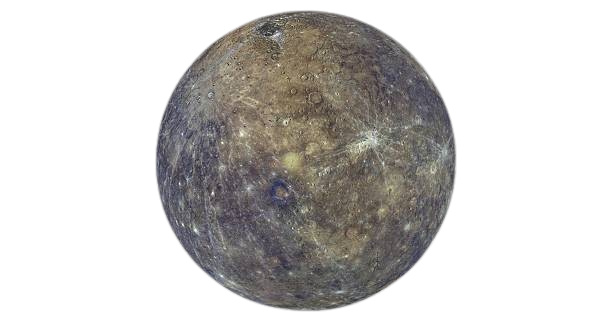
Mass
0.330 x 1024kg
Diameter
4879 km
Density
5429 kg/m3
Gravity
3.7 m/s2
Escape Velocity (km/s)
4.3
Rotation Period (hours)
1407.6
Length of Day (hours)
4222.6
Distance from Sun (106 km)
57.9
Orbital Velocity (km/s)
47.4
Mean Temperature
167 C
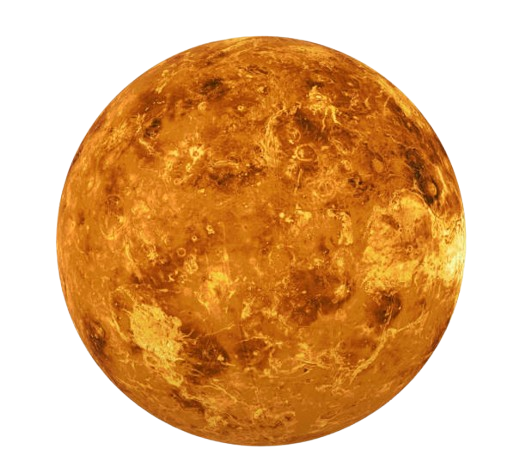
Mass
4.87 x 1024kg
Diameter
12,104 km
Density
5243 kg/m3
Escape Velocity (km/s)
10.4
Rotation Period (hours)
-5832.5
Length of Day (hours)
2802.0
Distance from Sun (106 km)
108.2
Orbital Velocity (km/s)
35.0
Mean Temperature
464 C
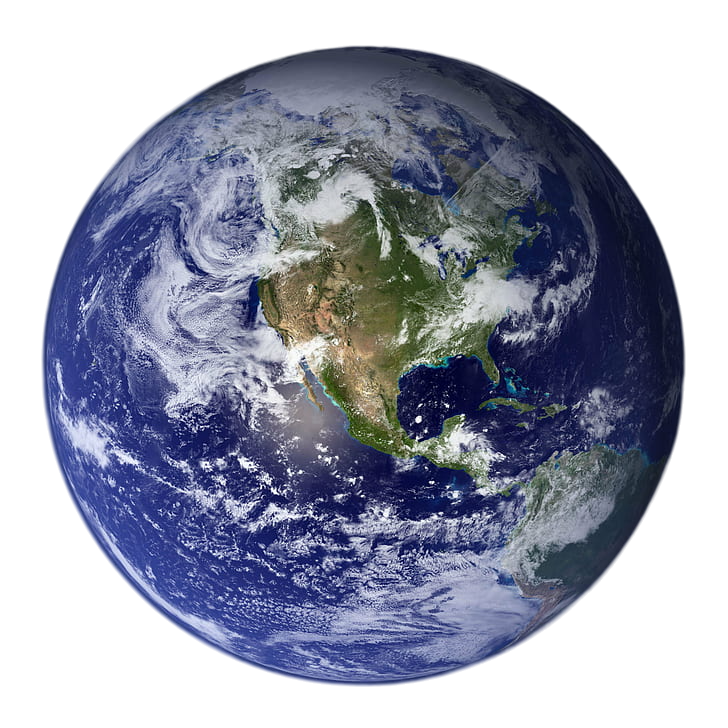
Mass
5.97 x 1024kg
Diameter
12,756 km
Density
5514 kg/m3
Gravity
9.8 m/s2
Escape Velocity (km/s)
11.2
Rotation Period (hours)
23.9
Length of Day (hours)
24.0
Distance from Sun (106 km)
149.6
Orbital Velocity (km/s)
29.8
Mean Temperature
15 C
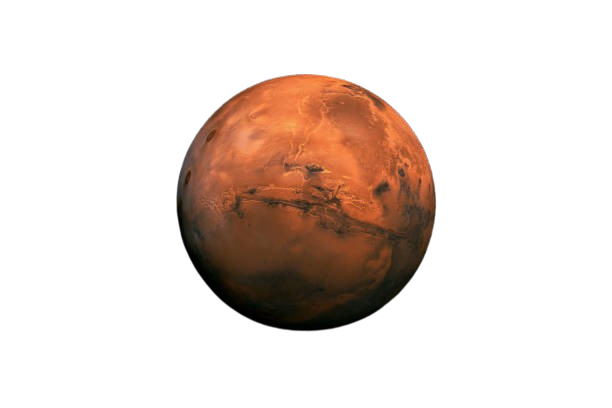
Mass
0.642 x 1024kg
Diameter
6792 km
Density
3934 kg/m3
Gravity
3.7 m/s2
Escape Velocity (km/s)
5.0
Rotation Period (hours)
24.6
Length of Day (hours)
24.7
Distance from Sun (106 km)
228.0
Mean Temperature
-65 C
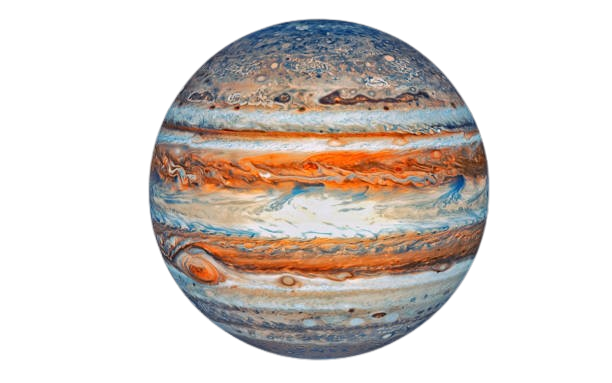
Mass
1898 x 1024kg
Diameter
142,984 km
Density
1326 kg/m3
Gravity
23.1 m/s2
Escape Velocity (km/s)
59.5
Rotation Period (hours)
9.9
Length of Day (hours)
9.9
Distance from Sun (106 km)
23.1 m/s2
Orbital Velocity (km/s)
13.1
Mean Temperature
-110 C
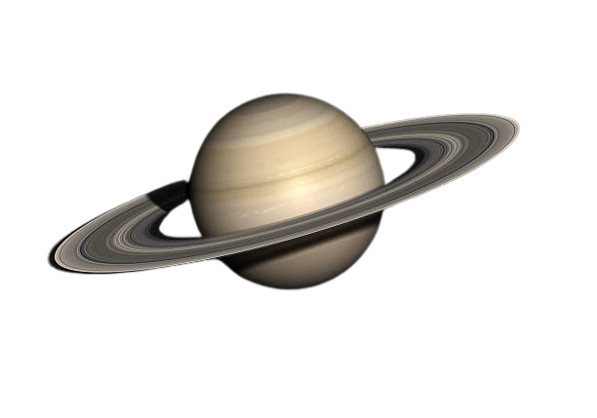
Mass
568 x 1024kg
Diameter
120,536 km
Density
687 kg/m3
Gravity
9.0 m/s2
Escape Velocity (km/s)
35.5
Rotation Period (hours)
10.7
Length of Day (hours)
10.7
Distance from Sun (106 km)
1432.0
Orbital Velocity (km/s)
9.7
Mean Temperature
-140 C
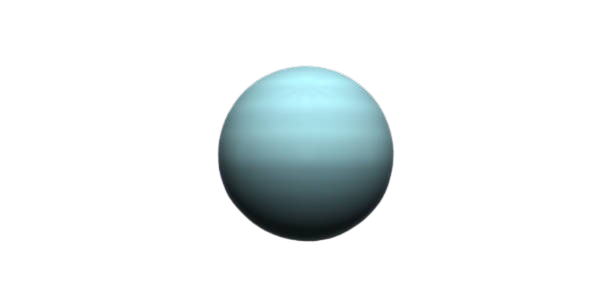
Mass
86.8 x 1024kg
Diameter
51,118 km
Density
1270 kg/m3
Gravity
8.7 m/s2
Escape Velocity (km/s)
21.3
Rotation Period (hours)
-17.2
Length of Day (hours)
17.2
Distance from Sun (106 km)
2867.0
Orbital Velocity (km/s)
6.8
Mean Temperature
-195 C
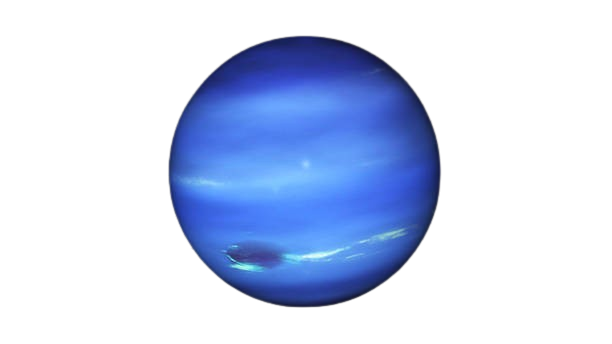
Mass
102 x 1024kg
Diameter
49,528 km
Density
1638 kg/m3
Gravity
11.0 m/s2
Escape Velocity (km/s)
23.5
Rotation Period (hours)
16.1
Length of Day (hours)
16.1
Distance from Sun (106 km)
4515.0
Orbital Velocity (km/s)
5.4
Mean Temperature
-200 C
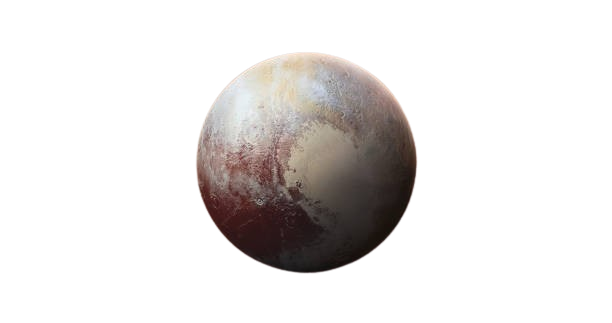
Mass
0.0130 x 1024kg
Diameter
2376 km
Density
1850 kg/m3
Gravity
0.7 m/s2
Escape Velocity (km/s)
1.3
Rotation Period (hours)
-153.3
Length of Day (hours)
153.3
Distance from Sun (106 km)
5906.4
Orbital Velocity (km/s)
4.7
Mean Temperature
-225 C
THE 3-D SOLAR VIEW
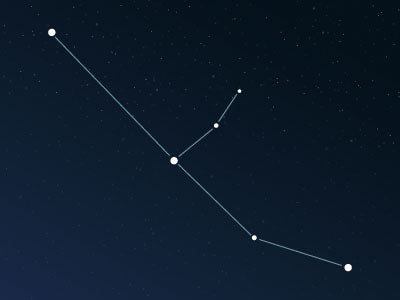
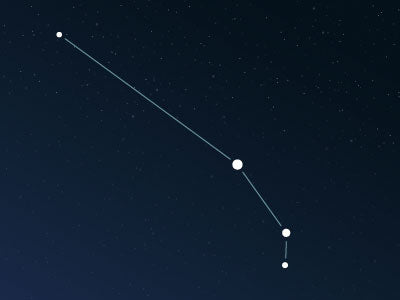
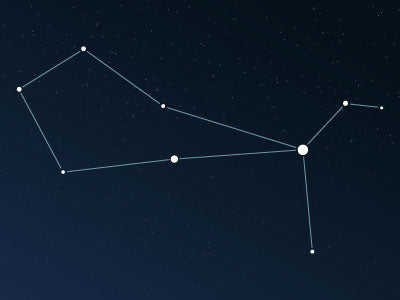
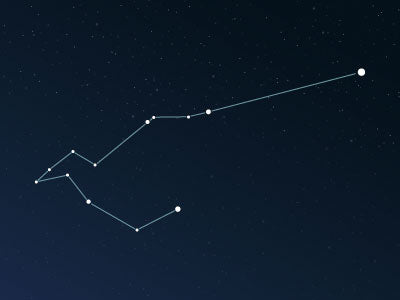
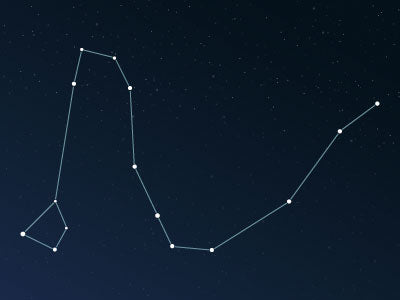
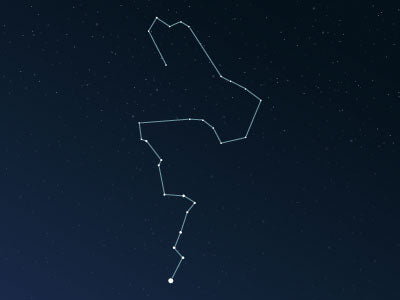
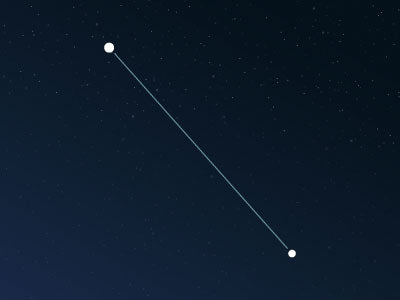
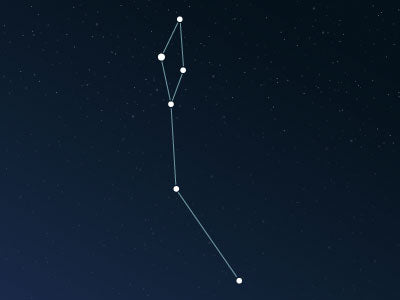
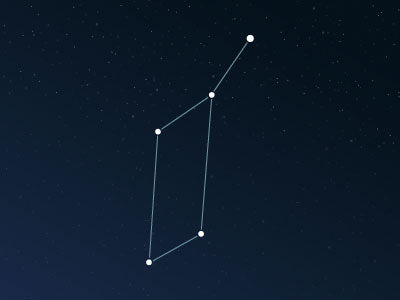
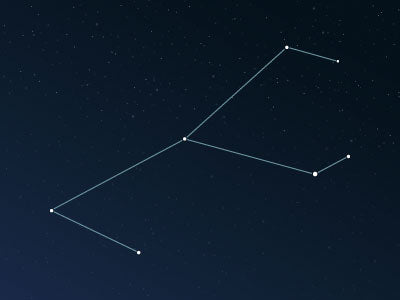
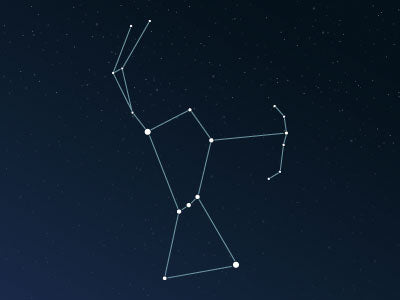
THE CONSTELLATIONS GUIDE
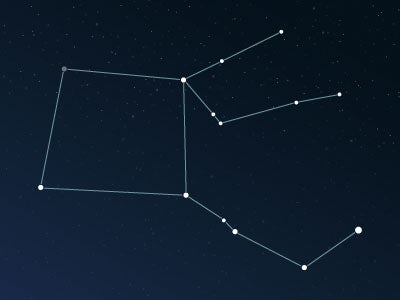
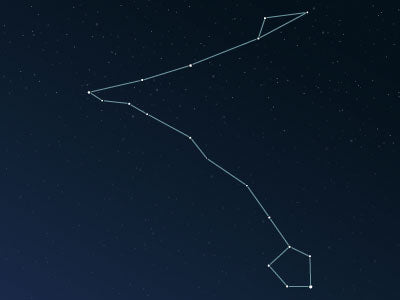
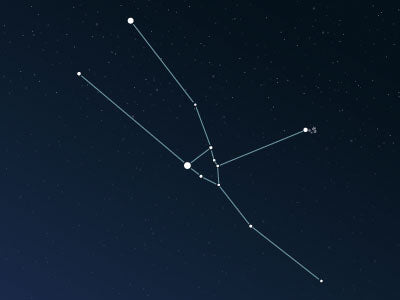
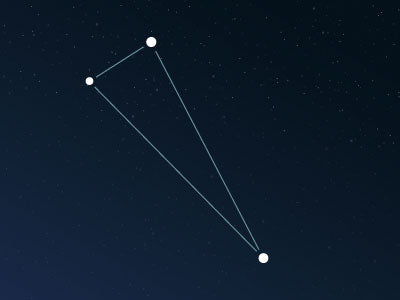
A constellation is a designated region of the sky, defined by a distinctive arrangement of stars. Many constellations have been recognized since ancient times, serving as essential tools for navigation and orientation. Welcome to your ultimate destination for exploring all known constellations—a comprehensive guide designed to help you understand, identify, and appreciate the wonders of the night sky.

























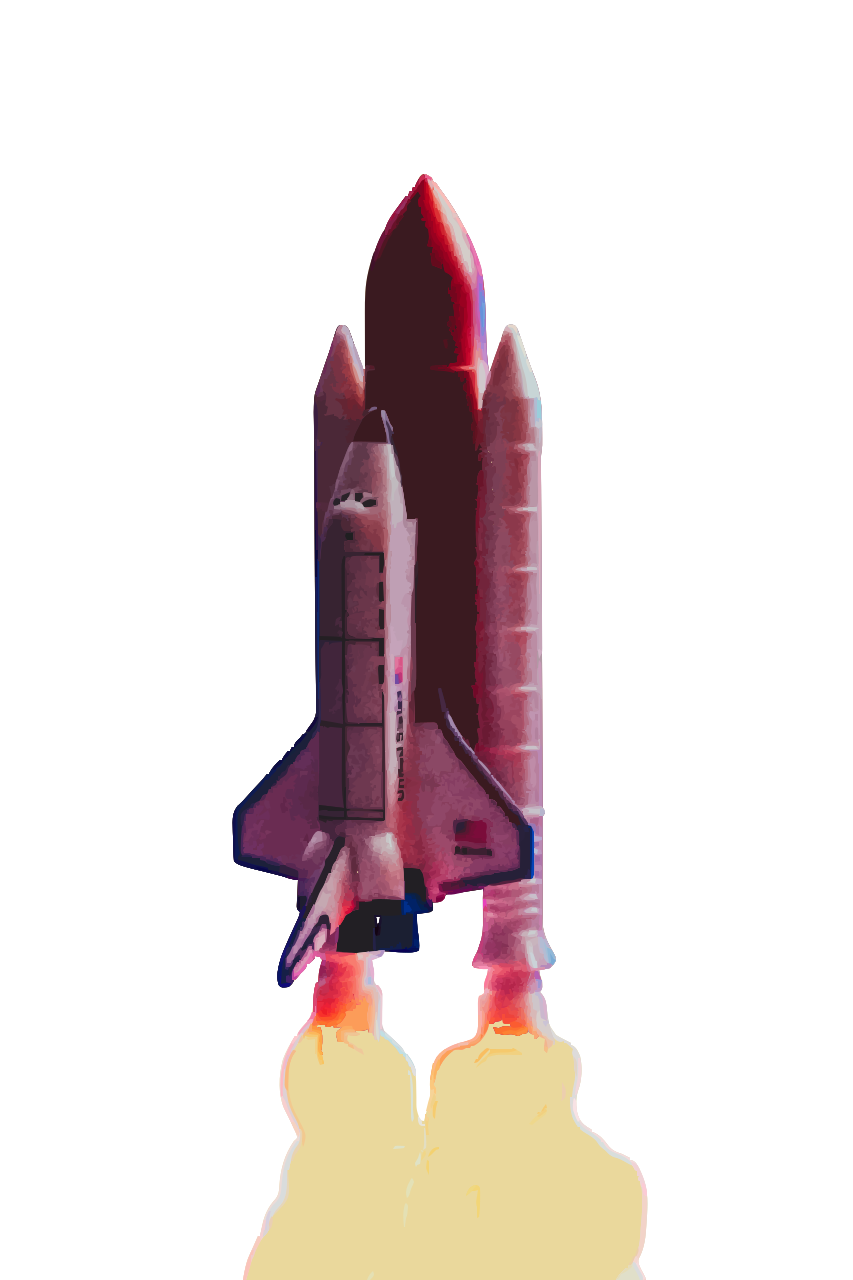
ROCKETRY
Discover the fascinating world of rocket science, exploring various rocket types, their propulsion systems, and the physics behind space travel!
-
Rocket Fundamentals

Learn about the types of rocket motion, the science behind propulsion, and the forces that guide rockets through space and beyond!
EXPLORE -
Compressed Air Rockets
Discover the physics of compressed air rockets, exploring how stored air pressure generates thrust, propels motion, and influences flight dynamics!
EXPLORE -
Bottle Rockets
Experience the thrill of bottle rockets as air pressure and water propulsion combine to generate powerful thrust and soaring flight!
EXPLORE -
Model Rockets
Discover the excitement of model rockets, where controlled propulsion, aerodynamics, and physics come together for thrilling launches and precise flights!
EXPLORE -
Full Scale Rockets
Explore full-scale rockets, where advanced propulsion, aerodynamics, and engineering power space exploration, satellite launches, and interplanetary missions!
EXPLORE